Water Damage Restoration in Riverside, CA
Request your estimate today
Henceregime Restoration is a referral service. You send us the details of your water damage, and we match the job to an independent restoration provider serving Riverside and the Inland Empire. The provider does the work. We handle the handoff.
Restoration is more than mopping up. It means removing standing water, drying walls, subfloors and framing, and checking for hidden moisture. Done properly, it protects your home, its condition and its resale value. Older houses need extra care, because aging materials and past repairs can hide surprises. Many providers can respond quickly, but availability varies, so ask about timing when you reach one. Costs differ from job to job, so get a written quote that lists the scope. Request an estimate to get started.
Water Damage? Start Here
If water is actively entering your home, deal with safety first. Then get a provider moving.
- Stop the source if you can. Shut off the main water valve for a burst pipe or failed appliance line.
- Turn off power to wet areas if it is safe to reach the panel. Never step into standing water near live outlets.
- Move valuables, rugs and electronics out of the wet zone.
- Take photos and short videos before you clean up.
Then request an estimate. Henceregime Restoration takes the details, matches the job, and hands it to an independent local provider.
Why Speed Matters
Water moves into drywall, insulation, flooring and framing. Wet materials can start to swell, stain and grow mold within a couple of days. Many providers can respond quickly, but availability varies. Request a callback to check provider availability if you need a person on the line.
Start early. Delay usually means a bigger scope and a bigger bill. Dry it right the first time.
What Restoration Covers
A full job usually follows a sequence. Each step feeds the next.
Water Removal
Pumps and wet vacuums pull out standing water. This comes first because every inch of water left behind keeps soaking in.
Moisture Mapping
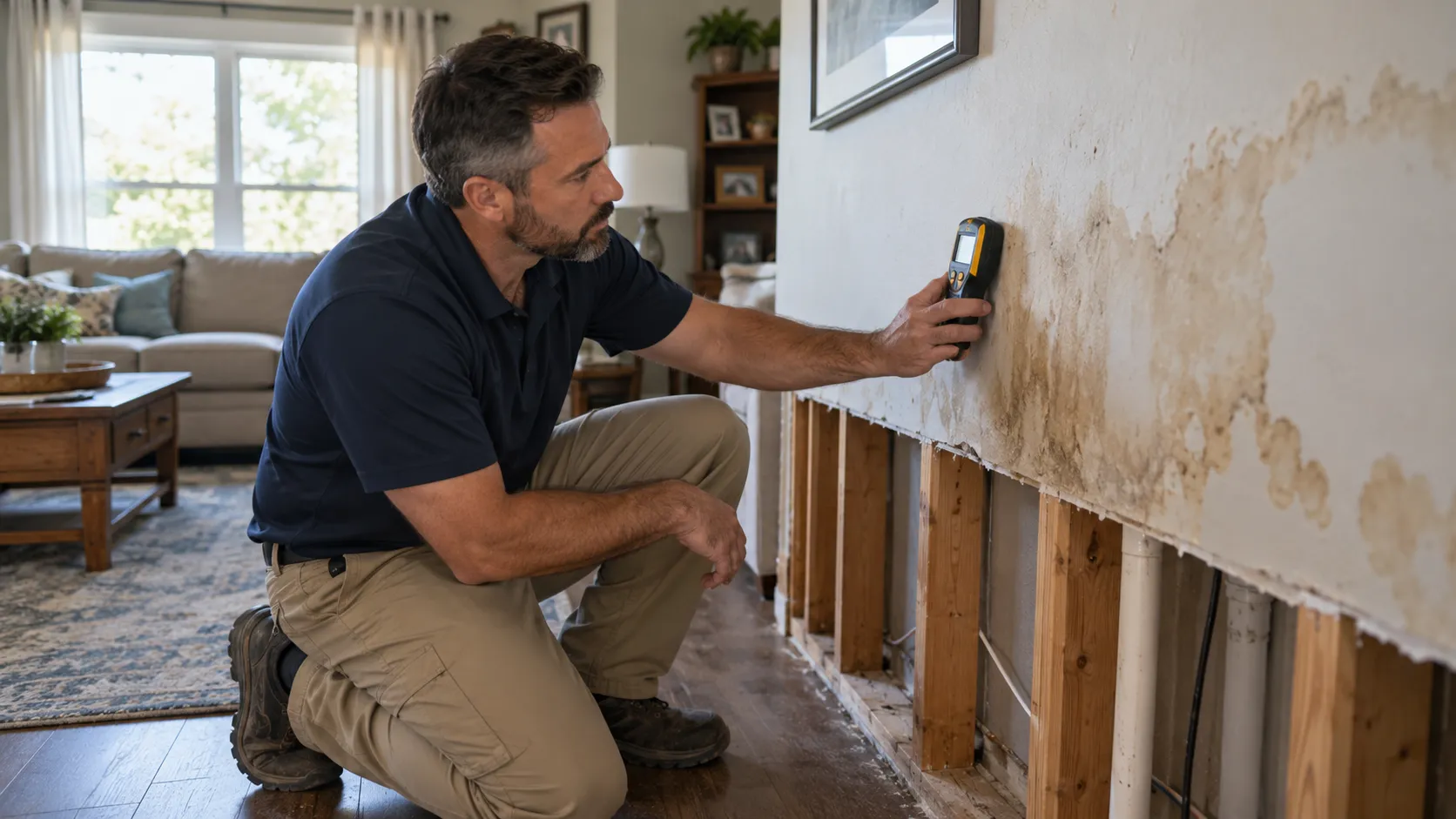
Providers use moisture meters and sometimes thermal cameras. These show where water went, including spots you cannot see. This is how you check behind finishes.
Drying and Dehumidifying
Air movers and dehumidifiers pull moisture from materials and air. Drying takes days, not hours. Providers read the meters until the readings return to normal for that material.
Cleaning and Sanitizing
Surfaces get cleaned, and some get treated with antimicrobial products. Contents that can be saved are cleaned. Those that cannot are removed.
Repairs
Removed drywall, insulation, baseboards and flooring are rebuilt. Some providers handle repairs. Others hand off to a contractor.
Types of Water
The source of the water changes the plan. Providers sort water into three broad categories.
- Clean water: From a supply line, a broken pipe or rain through a sound roof. Lower health risk at first, but it turns worse with time.
- Gray water: From dishwashers, washing machines or a sink overflow. It carries some contamination.
- Black water: From sewage backups or floodwater. It is unsafe. Materials like carpet and drywall are often removed.
Clean water can degrade to gray after a day or two of sitting. Tell the provider where the water came from and how long it has been there.
Extra Care for Older Homes
Older houses have more variables. Many bungalows and tract homes from the 1950s to 1980s have plaster or old drywall, original subfloors, aging pipes and past patch repairs.
- Old pipe connections can fail again in the same area.
- Past repairs may hide earlier leaks or damp spots.
- Some older materials may contain asbestos or lead paint. Providers may recommend testing before disturbing them.
- Slab and raised foundations each trap moisture in different ways.
Ask the provider how they will handle old materials. A careful plan protects the structure and avoids new problems.
Local Conditions
In many coastal and inland areas, long dry spells are followed by winter rain events. Roofs, gutters, stucco and window seals can fail when the first heavy rain arrives. Stucco homes can hold moisture inside walls without showing it. Ask for a moisture check if stains appear after a storm.
Working With Your Insurance
Some policies may cover sudden damage, such as a burst pipe. Gradual leaks and floodwater are often treated differently. Check your policy or ask your agent.
Providers can often help document damage for a claim. Useful records include:
- Dated photos and video of the damage
- Moisture readings and drying logs
- An itemized list of removed materials
- A written estimate and final invoice
Good documentation also helps later. It shows a buyer or inspector that the home was dried and repaired properly.
Choosing a Provider
Ask direct questions before you agree to work.
- Is the company licensed and insured where required in your state?
- Will they provide a written estimate that lists the scope?
- Do they take moisture readings and share them?
- How do they handle suspected mold or old materials?
- Who does the rebuild work?
Get it in writing. Vague quotes cause disputes. Henceregime Restoration does not do the work or set prices. The provider does.
Getting Your Home Back to Normal
After drying is confirmed, repairs begin. Expect to replace some drywall, flooring or trim. Keep the final drying report and invoices. Protect the home by filing them with your records.
Watch for musty smells, new stains or peeling paint over the next few weeks. These can signal hidden moisture. Contact the provider if you see them.
What's Included
Water Removal
Pumps and vacuums clear standing water from floors, carpets and low areas so drying can begin.
Structural Drying
Air movers and dehumidifiers dry walls, subfloors and framing until readings look normal.
Moisture Inspection
Meters and thermal tools find wet spots hidden behind walls, under floors and above ceilings.
Cleaning and Repairs
Surfaces are cleaned and sanitized, and damaged materials are removed and rebuilt by the provider.
Typical Water Damage Restoration Costs
Costs vary by job size, water type, materials and location. These are typical U.S. ranges, not quotes. Always get a written estimate from the provider that lists the scope before work begins.
| Item | Typical range | Notes |
|---|---|---|
| Small leak cleanup | $400 – $1,500 | One room, clean water, quick action |
| Water extraction | $500 – $2,500 | Depends on depth and area |
| Structural drying | $1,000 – $4,000 | Equipment days and number of rooms |
| Drywall removal and replacement | $500 – $3,000 | Per affected area and finish |
| Flooring replacement | $1,000 – $6,000 | Hardwood costs more than carpet |
| Sewage or black water jobs | $3,000 – $10,000 | Extra safety steps and disposal |
How It Works
Send Your Details
Tell us where the water came from, what is wet and where you are located.
We Match a Provider
Henceregime Restoration passes your job to an independent local provider who fits the situation.
Review the Written Estimate
The provider outlines scope and pricing. Read it, ask questions and decide.
Dry, Document, Repair
The provider dries the structure, records readings and completes or coordinates repairs.
Why Call Henceregime Restoration
Protect Value
Proper drying and records help keep your home's condition and resale value intact over time.
Local Match
Jobs go to independent providers who serve your area and understand local housing.
Older Home Care
Aging materials and past repairs get extra attention for hidden weak spots.
No Obligation
Request an estimate and compare. You decide whether to move forward.
Other Services
Need water damage restoration in Riverside?
Describe the damage and request an estimate. A local provider in our network follows up with next steps. No obligation to accept.
Water Damage Restoration FAQ
- How fast does water damage need to be dealt with?
- Sooner is better. Wet materials can begin to swell, stain and grow mold within a couple of days. Many providers can respond quickly, but availability varies, so request an estimate early.
- Does homeowners insurance cover water damage?
- Some policies may cover sudden damage, like a burst pipe, but often not gradual leaks or floods. Check your policy. Providers can often help document damage for a claim.
- Can I dry a wet house myself?
- Small spills, yes. For larger losses, fans alone rarely reach moisture inside walls and floors. A provider uses meters and equipment to confirm everything is actually dry.
Reach a local provider
Describe the damage and request an estimate. A local provider in our network follows up with next steps. No obligation to accept.
No obligation